
 Home >
 Retirement used to mean one clear thing. You worked for decades, then you stopped. The clock hit 65, and your working life ended for good. That idea no longer fits how people actually live. Today, retirement looks less like a finish line and more like a turning point.
People are staying active, exploring new roles, and shaping this stage of life in ways that feel meaningful.
However, this shift did not happen overnight. It grew slowly through changes in society, health, and how people think about purpose. To understand where retirement is going, it helps to see where it came from.
How Retirement First Took Shape?

Freepik / For most of human history, people did not retire. They worked as long as their bodies allowed, often until they physically could not continue.
There was no clear exit point, and no system to support life after work.
That began to change in the late 1800s. Governments started to step in, and Germany led the way. Otto von Bismarck introduced state pensions in 1883, setting age 65 as the benchmark. At the time, many people never reached that age, which made the system manageable.
The idea spread and gained strength in the United States during the 1930s. Social Security gave workers a safety net and helped define retirement as a standard life stage. Age 65 became an expectation.
After World War II, retirement grew more common. Benefits expanded, and more people could afford to stop working. By the 1960s and 1970s, programs like Medicare added support, making retirement feel secure and predictable.
A clear cultural image formed during this time. People pictured a calm life filled with leisure, often in warm places. Days revolved around hobbies, social events, and rest after years of hard work.
From Rest to Reinvention
Today’s retirees are rewriting the script. Many no longer see age as a signal to step away from life’s challenges. Instead, they treat retirement as a chance to reset and explore new directions.
Baby boomers played a big role in this change. They tend to value independence and personal growth. Rather than slowing down, many choose to start businesses, consult, or take on part-time work that fits their interests.
This shift gave rise to the idea of “unretirement.” People step away from one career, then move into something new. The focus is less on escaping work and more on finding work that feels rewarding.
Research supports this approach. Studies show that staying active improves both physical and mental health. People who volunteer, learn new skills, or stay socially connected report higher satisfaction and better well-being.
On the other hand, a passive lifestyle can lead to problems. Spending long hours watching television or staying isolated often links to poorer health outcomes. Without purpose or routine, many people struggle with identity and motivation.
The Psychology Behind the Shift
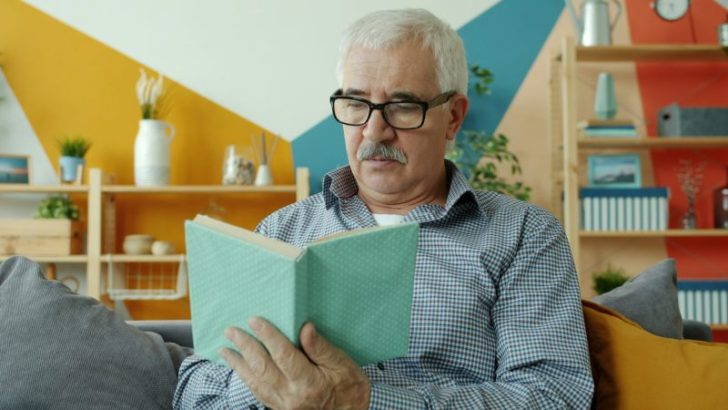
Vitaly / Unsplash / Retirement is a deep personal transition. When work ends, people lose more than income. They lose structure, identity, and daily social contact.
Recent research highlights this complexity. Experts describe retirement as a process where people reshape both their identity and their daily lives. It is not a single event, but a series of adjustments over time.
This process requires effort and awareness. People need to build new routines, find new roles, and stay connected to others. Without this work, the transition can feel disorienting.
Relationships also play a key role. Retirement affects not just individuals, but families and social networks. Some people take on caregiving roles, such as helping with grandchildren, which can strengthen bonds but also create stress.
Others focus on broader connections. They join community groups, volunteer, or stay involved in professional circles. These wider networks often support a better balance and a stronger sense of purpose.
Retirement is still evolving, and the changes are far from over. Younger generations are already approaching work and life in new ways. They value flexibility and often blend personal and professional goals throughout their lives.