
 Home >
 For years, Taiwan has sat at the center of one of the world’s most fragile political standoffs. In 2026, that tension has returned to the spotlight after President Donald Trump hinted that a huge U.S. weapons package for Taiwan could become part of broader talks with China. The comments came after Trump’s high-stakes summit with Chinese President Xi Jinping in Beijing, where both leaders tried to calm rising pressure between the world’s two biggest economies.
The meeting covered trade, artificial intelligence, military tensions, and the conflict in Iran. Still, Taiwan became the issue everyone focused on afterward. Trump stopped short of approving a planned $14 billion arms package for Taipei, and that hesitation instantly raised alarms in Washington, Beijing, and Taiwan itself.
Trump’s remarks sparked debate because American support for Taiwan has long been treated as a security issue, not a bargaining chip. When Trump told reporters Taiwan was “a very good negotiating chip,” critics quickly questioned if the White House was softening its stance toward Beijing. The statement landed hard because China has repeatedly warned the United States against increasing military support for the island.
Xi Jinping reportedly used the summit to push Trump toward delaying or shrinking the package. Chinese officials argued that more weapons sales would encourage what Beijing calls separatist behavior inside Taiwan. China still claims Taiwan as its own territory and has refused to rule out using force to take control of the island in the future.
The White House later insisted official U.S. policy had not changed. Secretary of State Marco Rubio and several Republican lawmakers repeated that Washington still supports Taiwan’s ability to defend itself. Even with those reassurances, uncertainty remains because Trump has not yet formally approved the package.
Why Taiwan is at the Heart of the Summit?
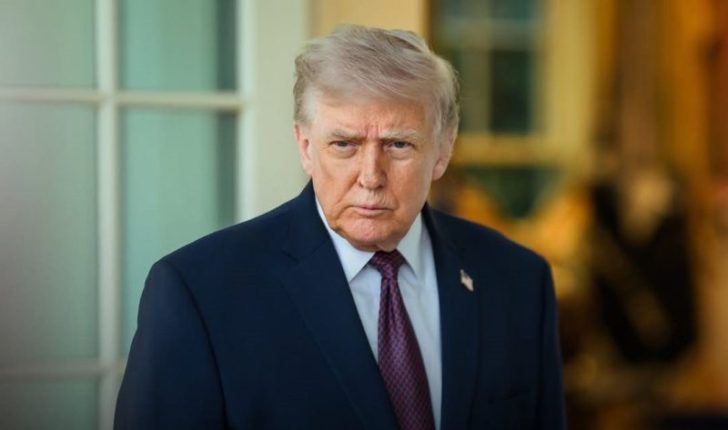
Trump / IG / Taiwan plays a huge role in global technology, especially semiconductor production. And the role of the U.S. is pivotal for the future of the territory.
Companies in Taiwan manufacture advanced computer chips used in phones, cars, military systems, and artificial intelligence tools across the world.
That importance gives Taiwan major strategic value. If tensions in the Taiwan Strait spiral out of control, the global economy could feel the shock almost immediately. Supply chains would tighten, markets could panic, and major industries might struggle to operate normally.
The proposed U.S. package reportedly includes advanced missile systems, drone technology, artillery upgrades, and air defense support. These weapons are designed to help Taiwan slow down or resist a potential military attack from China. The island has already increased defense spending in recent years because Chinese military drills around Taiwan have become larger and more aggressive.
Taiwanese President Lai Ching-te defended the arms purchases soon after Trump’s comments. Lai said Taiwan wants peace but also needs strong defenses to discourage military threats from Beijing. Taiwanese officials believe weakness could invite more pressure from China rather than calm tensions.
Analysts worry Beijing could interpret hesitation over the arms deal as a sign that American commitment is becoming less reliable. Others fear Taiwan could lose confidence in Washington if weapons support becomes tied to trade talks or diplomatic favors.
China Pushes Hard for Leverage?
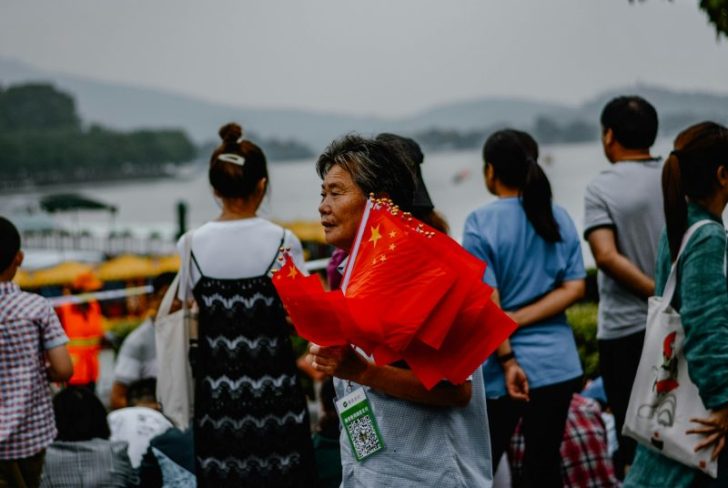
Hass / Unsplash / Beijing has struggled with slowing economic growth, trade disputes, and growing military pressure across Asia. Stabilizing relations with Washington became a major priority for Xi Jinping heading into 2026.
Chinese officials reportedly pushed Trump hard during private discussions. Xi warned that mistakes over Taiwan could lead to “clashes and even conflicts” between the two countries. Those words reflected how seriously Beijing views the issue.
China has steadily increased military activity near Taiwan over the past few years. Fighter jets and naval vessels now operate around the island almost daily. Beijing says those actions are warnings against independence movements inside Taiwan and against foreign involvement from the United States.
Japan and South Korea are watching closely because both countries depend heavily on U.S. security commitments. If allies begin questioning Washington’s reliability, it could reshape power dynamics across the Indo-Pacific region. That possibility worries military planners and diplomats alike.
Trump now faces growing pressure at home from lawmakers in both parties. Several Republicans have urged the White House to approve the package quickly and avoid signaling weakness toward Beijing. Senator Lindsey Graham warned that delaying support for Taiwan could “encourage Chinese aggression.”