 Home >
 Most people spend decades chasing a number. They picture a retirement account that finally feels “enough.” They assume that once they hit it, happiness will follow. That idea sounds logical, but it misses the point.
Money matters, but it is not the main driver of a happy retirement. It acts as support, not the star. What really shapes your experience is how you live once work is gone.
The Real Shock of Retirement Life
For years, your job has given your day a clear shape. You wake up with a reason, follow a routine, and interact with people without effort. Work fills your time and gives you identity.
Then one day, that structure disappears. Even people with strong savings feel lost at first. They sit with open time and realize they never planned what to do with it.
This moment catches many off guard. They prepared their finances with care, yet ignored their daily life after work. That gap creates stress, not freedom.
The happiest retirees avoid this trap. They think ahead about how they want to spend their days. They picture real routines, not just free time.
Purpose Beats a Big Bank Balance
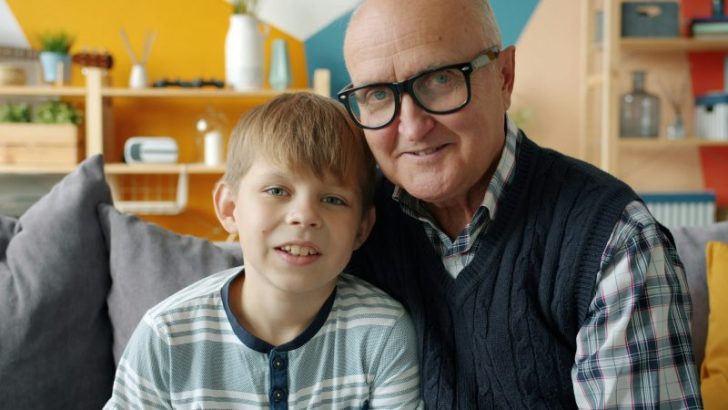
Vital / Unsplash / A strong sense of purpose makes a huge difference in retirement. It does not need to be grand or complicated. It only needs to feel meaningful to you.
Some people mentor younger workers or volunteer in their community. Others return to hobbies they once loved but had no time for. Even caring for family can bring deep satisfaction.
Without purpose, days start to blur together. Free time feels empty instead of exciting. That feeling grows over time and can lead to frustration.
Research backs this up clearly. Retirees who stay active with part-time work or meaningful activities report better mental health. They feel more engaged and less anxious. The key is intention. You need something that pulls you forward each day.
Relationships Carry More Weight Than Wealth
Work life naturally builds social connections. You see colleagues every day, share conversations, and form bonds without trying. Retirement removes that built-in network.
Staying connected now takes effort. You need to reach out, plan meetups, and stay involved. Many people underestimate how important this is until they feel isolated.
Strong relationships support emotional health. They give you someone to talk to, laugh with, and rely on. This becomes even more important as you age.
Studies show that people in close partnerships report higher well-being. Happiness is not just personal. It often reflects shared experiences. A good relationship can lift your entire outlook.
Men often struggle more in this area. They tend to rely heavily on work for social interaction. After retirement, they must rebuild those connections from scratch. A rich social life adds more value than extra money ever could. You can have financial comfort and still feel lonely. That gap is hard to ignore.
Money Still Matters, But Not the Way You Think

Olly / Pexels / Financial stability removes stress and gives you options. It lets you enjoy your time without constant worry.
The problem starts when money becomes the goal instead of the tool. People delay happiness while chasing a higher number. They assume more savings will fix everything.
In reality, money works best when it supports your lifestyle. It should help you travel, explore hobbies, and spend time with loved ones. That is where its real value shows.
Recent studies highlight this clearly. Many retirees say they feel happier with a steady income rather than a large lump sum. Regular cash flow builds confidence and encourages spending on meaningful experiences.
Health also ranks higher than wealth in most surveys. People care more about staying active and independent than growing their savings further. That shift in priorities says a lot.