 Home >
 Living alone in your 70s does not have to feel like a quiet, lonely ending. For many people, it feels like a fresh chapter filled with control, calm, and personal freedom. The difference often comes down to mindset, not circumstance.
A growing body of research and real-life stories show that attitude shapes the experience. Some people feel isolated in the same situation where others feel peaceful and in charge.
There is no doubt that living alone can feel like a burden if it feels forced. It feels entirely different when it is a choice. Many older adults say they enjoy the ability to structure their day exactly how they want.
They eat when they feel hungry, watch what they enjoy, and make decisions without debate. This level of control creates a strong sense of independence that many people did not have earlier in life.
Research supports this idea. AARP found that many solo agers value freedom above almost everything else. They report feeling more at ease and more in control of their daily lives compared to those who feel stuck in unwanted situations.
This sense of control spills into social life as well. People who enjoy living alone still stay connected. They call friends, pursue hobbies, and stay active in their communities. The key difference is that these interactions are chosen, not expected.
A Positive Mindset Protects Your Body

Daw / Pexels / A strong mindset can actually protect your body from stress, studies show.
A long-term study from Concordia University followed older adults over several years. It found that those who stayed positive about their situation showed lower levels of stress hormones and inflammation. These are two major markers linked to aging and illness.
The people who benefited the most were not those who avoided loneliness. They were the ones who changed how they thought about it. They focused on what they could still do, rather than what they had lost.
This approach is called a ‘self-protective mindset.’ It includes simple habits like not blaming yourself for health changes and choosing to see challenges as manageable. These small mental shifts can reduce the physical impact of stress.
Other research shows that people with a positive view of aging tend to live longer. Some studies suggest an increase of several years. That is a powerful reminder that thoughts are not just abstract ideas. They have real effects on the body.
Not everyone starts out loving life alone. In fact, many people struggle at first. The quiet can feel heavy, and the absence of a partner or family member can leave a gap that takes time to adjust to.
Some people describe the first few years as difficult and even painful. They miss conversation, shared routines, and the comfort of having someone nearby. This stage is real, and it should not be ignored.
Over time, many people begin to adapt. They start to build new routines that suit their current life. They explore hobbies, read more, write, garden, or simply enjoy quiet moments that once felt uncomfortable.
Know the Line Between 'Solitude' and Loneliness
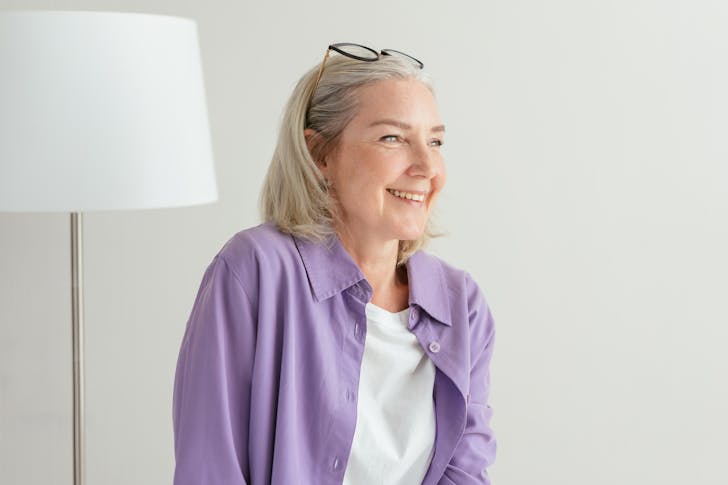
Nilov / Pexels / Living alone is not always easy, and it is not always positive. For some people, it leads to real loneliness that affects both mental and physical health.
Studies show that a significant number of older adults living alone report feeling isolated. This is not just an emotional issue. Loneliness has been linked to faster aging and a higher risk of illness.
The difference often comes down to choice and perception. When people feel they have control over their situation, they are more likely to feel content. When they feel trapped or unsupported, loneliness becomes much harder to manage.
Simple daily habits can make a difference. Regular phone calls, short visits, and even brief social interactions can help maintain a sense of connection. It does not require a large social circle, just meaningful contact.